

10 Important Items That Should Always Be Included in a New Jersey Last Will and Testament
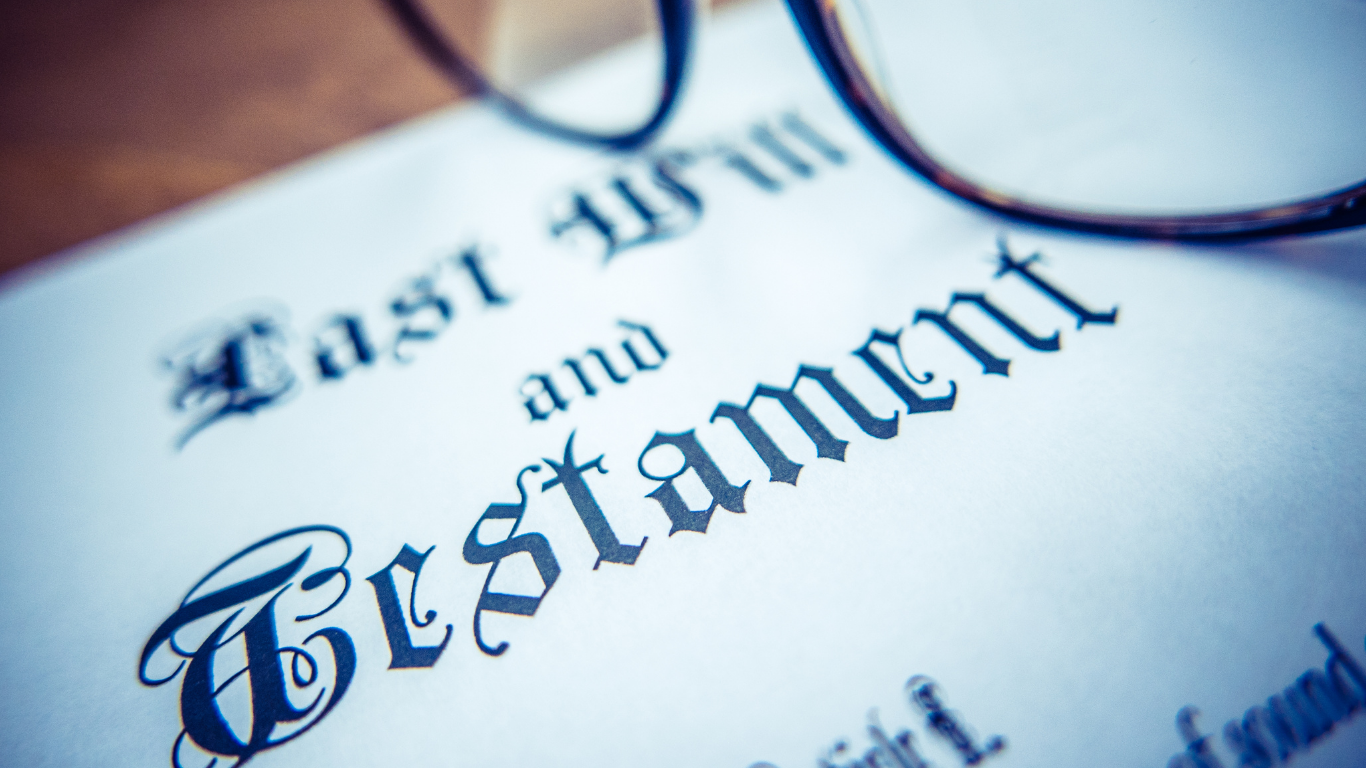
Creating a last will and testament is one of the most important steps you can take to protect your family, your assets, and your wishes after you pass away. In New Jersey, a properly drafted will helps ensure that your estate is distributed according to your intentions rather than being left to default state laws. Unfortunately, many people create wills that are incomplete, outdated, or unclear, which can lead to confusion, delays, and disputes among loved ones.
Understanding the essential components of a New Jersey last will and testament can help you avoid common mistakes and create a document that truly reflects your wishes. Below are the key items that should always be included in a well-crafted New Jersey will.
1. Clear Identification of the Testator
Every valid will should begin by clearly identifying the person creating it, known as the testator. This section should include your full legal name, current address, and a statement confirming that you are of legal age and sound mind at the time the will is created. This language is important because it establishes the validity of the document and helps prevent challenges based on capacity or identity.
Including a clear declaration that the document is your official last will and testament also ensures that it supersedes any prior wills or codicils you may have created in the past.
2. Appointment of an Executor
One of the most important decisions in your will is the appointment of an executor. The executor is the person responsible for carrying out the instructions in your will, managing estate assets, paying outstanding debts and taxes, and distributing property to beneficiaries.
In New Jersey, executors have significant responsibilities, so choosing someone trustworthy, organized, and capable is essential. Many people name a spouse, adult child, or close relative, but it is also common to appoint a professional fiduciary or attorney. It is wise to name an alternate executor as well in case your first choice is unable or unwilling to serve.
3. Identification of Beneficiaries
Your will should clearly identify all beneficiaries who are to receive property from your estate. This includes family members, friends, charities, or organizations you wish to benefit. Each beneficiary should be identified by full name and relationship to you to reduce the risk of confusion or disputes.
Specific bequests should be clearly described, whether they involve real estate, personal property, financial accounts, or sentimental items. When language is vague or incomplete, it can create delays in probate and increase the likelihood of legal challenges.
4. Distribution of Assets and Property
A New Jersey will must clearly explain how your assets are to be distributed. This includes tangible property such as homes, vehicles, jewelry, and personal belongings, as well as intangible assets like bank accounts, investments, and business interests.
You may choose to leave specific items to certain individuals or divide your estate by percentages. Including a residuary clause is especially important. This clause addresses any assets not specifically mentioned elsewhere in the will, ensuring that nothing is left unaccounted for. Without a residuary clause, those assets could be distributed according to New Jersey intestacy laws instead of your wishes.
5. Guardianship Designations for Minor Children
If you have minor children, naming a guardian is one of the most critical components of your will. A guardian is the person who will be responsible for your children’s care, upbringing, and decision-making if you pass away.
While the court has the final authority, New Jersey judges give strong consideration to the guardian named in a valid will. Failing to name a guardian can result in court involvement and potential family disputes. You may also name alternate guardians to provide flexibility if your first choice cannot serve.
6. Provisions for Trusts and Minor Beneficiaries
If you plan to leave assets to minor children or beneficiaries who may not be ready to manage an inheritance, your will should include provisions for trusts. A trust allows you to control how and when assets are distributed, which can protect beneficiaries from financial mismanagement or outside creditors.
In New Jersey, minors cannot legally receive assets outright, so establishing a trust or naming a trustee is often necessary. Your will should clearly outline the trustee’s responsibilities and the conditions under which distributions are made.
7. Payment of Debts, Expenses, and Taxes
A properly drafted will should address how outstanding debts, funeral expenses, and estate administration costs are to be paid. While these obligations are typically paid from estate assets, including clear instructions can help streamline the probate process.
New Jersey no longer imposes an estate tax, but inheritance tax may still apply depending on the beneficiary’s relationship to the deceased. Addressing tax considerations in your will can help minimize surprises and ensure your beneficiaries receive what you intended.
8. Signatures and Witness Requirements
For a will to be valid in New Jersey, it must be properly executed. This generally means the will must be signed by the testator and witnessed by at least two individuals. Witnesses should be disinterested parties whenever possible to reduce the risk of challenges.
Including a self-proving affidavit can further simplify the probate process by allowing the will to be accepted without requiring witnesses to testify in court.
9. Updating and Reviewing Your Will
A will is not a one-time document. Life changes such as marriage, divorce, the birth of children, changes in assets, or relocation may require updates. Reviewing your New Jersey will regularly ensures that it continues to reflect your current wishes and complies with applicable laws.
Failing to update a will can result in unintended consequences, including disinherited heirs or outdated executor appointments.
10. Final Thoughts on Creating a New Jersey Will
A New Jersey last will and testament should be clear, comprehensive, and legally sound. Including these essential components helps protect your loved ones, reduce probate complications, and ensure that your wishes are honored. While online templates may seem convenient, working with an experienced estate planning professional can help you avoid costly mistakes and tailor your will to your unique situation.
Taking the time to create a thorough and properly executed will is an investment in peace of mind for both you and your family.
Tags
Getting in touch
About us
Borenstein, McConnell & Calpin, P.C. is a Wills & Estate Planning law firm serving Central and Northern New Jersey, as well as New York City. We strive not only to give you a great client experience, but to become your trusted adviser for life. To reach Alec, please send an email to alec@bmcestateplanning.com.
NJ Offices:
155 Morris Avenue, Suite 201
Springfield, NJ 07081
3 Werner Way, Suite 230
Lebanon, NJ 08833
NY Office:
4607 Fort Hamilton Parkway
Brooklyn, NY 11219


